

Introduction
How often do we speak to ourselves in ways we would never speak to someone we care about?
We can be patient and encouraging towards others, yet surprisingly critical of ourselves. A mistake becomes a reason to question our abilities, and a setback can leave us wondering why we can't get things right.
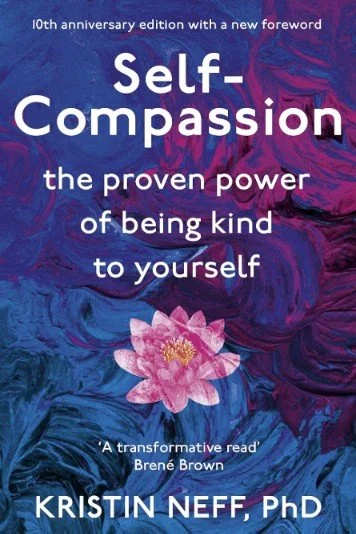
In Self-Compassion: The Proven Power of Being Kind to Yourself, Kristin Neff explores why we're often so hard on ourselves and how a kinder relationship with ourselves can change how we approach life.
Drawing on psychological research, mindfulness and practical exercises, Neff challenges the idea that being kind to ourselves is self-indulgent or a sign of weakness. Instead, Neff suggests it's an important part of how we learn, grow, and handle life's challenges.
The Central Idea
Neff identifies three core components of self-compassion:
1. Self-kindness
Treating ourselves with understanding rather than harsh criticism when things go wrong. This doesn't mean ignoring mistakes, but recognising that we can learn without constantly putting ourselves down.
2. Common Humanity
When we're struggling, it's easy to believe we're the only ones getting things wrong. Neff reminds us that imperfection, difficult emotions and personal setbacks are part of being human. We're not alone in our struggles.
3. Mindfulness
Acknowledging difficult thoughts and feelings without becoming overwhelmed by them or allowing one difficult moment to define how we see ourselves.
Together, these three elements offer a different way of responding to ourselves, particularly when life doesn't go to plan.
The Problem with Our Inner Critic
Many of us believe that being hard on ourselves keeps us motivated. We worry that if we become less critical, we'll lower our standards or stop trying.
But there's a difference between recognising where we could do better and making ourselves feel inadequate because of it.
Think about the things we sometimes say to ourselves:
I'm not good enough.
I should be further ahead by now.
Why can't I get this right?
These thoughts can become so familiar that we barely question them. Yet they influence how we see ourselves and what we believe is possible.
Neff encourages us to consider how differently we might respond if we treated ourselves as we would a friend: with honesty, understanding and encouragement rather than judgement.
Self-Compassion and Personal Growth
This is where the book connects particularly well with intentional living and the REWRITE part of Remember • Rewrite • Live.
When we spend so much time trying to improve, we forget to accept ourselves along the way.
The stories we carry about ourselves are often shaped by past experiences, expectations and assumptions; imagine if we started questioning those assumptions?
Not by replacing every negative thought with a positive one, but by recognising that our old stories don't have to determine how we treat ourselves or what we do next.
Sometimes, rewriting the story begins with something as simple as changing the way we speak to ourselves.
What Stood Out for Me
What stayed with me most is the idea that we don't have to earn kindness by being successful, productive or getting everything right.
We often associate personal growth with pushing ourselves harder and becoming better. But perhaps sometimes what we need isn't another challenge. It's a little more understanding.
It also raises some interesting questions:
Would I speak to someone I care about in the way I speak to myself?
What expectations am I placing on myself that I wouldn't place on others?
Am I allowing past mistakes to influence how I see myself today?
These questions can help us recognise how much our relationship with ourselves influences the way we live.
Who Is It For?
I'd recommend Self-Compassion if you:
Tend to be hard on yourself or struggle with self-criticism.
Find it difficult to accept mistakes or setbacks.
Put other people's needs ahead of your own.
Struggle with feelings of inadequacy or comparison.
Want to develop a kinder relationship with yourself.
The book combines psychological research with accessible explanations and practical exercises. It encourages us not just to understand self-compassion, but to practise it in everyday life.
Key Takeaways
Kindness isn't weakness. We can take responsibility without constantly criticising ourselves.
We're not alone. Imperfection and difficult emotions are part of being human.
Our inner critic isn't always helping. We can learn from mistakes without making them a judgement about our worth.
Acceptance and growth can coexist. We don't have to dislike who we are to want to change.
Self-compassion takes practice. Small, everyday changes in how we treat ourselves matter.
Final Thoughts
Perhaps the most important question this book invites us to consider is whether we can offer ourselves the same understanding and encouragement we so readily give to others.
Self-compassion doesn't mean letting ourselves off the hook. It means recognising that we can learn, grow and make changes without constantly conflicting with ourselves.
Remembering we don't need to try harder to become someone different; we just need to learn to be a little kinder to the person we already are.
If you'd like to explore these ideas for yourself, you can find Kristin Neff's Self-Compassion: The Proven Power of Being Kind to Yourself here: Self-Compassion.
(Affiliate links are for Amazon UK only — if you choose to purchase through them, it costs you nothing extra and helps support my work – with thanks.)