

The Gifts of Imperfection by Brené Brown
Introduction
Some books meet you at a particular point in your life and give language to something you already know somewhere deep inside. The Gifts of Imperfection was one of those books for me.
Brené Brown's work has stayed with me because it speaks to something I see repeatedly in both life and coaching: how easy it is to become disconnected from ourselves while trying to be the person we believe we are supposed to be.
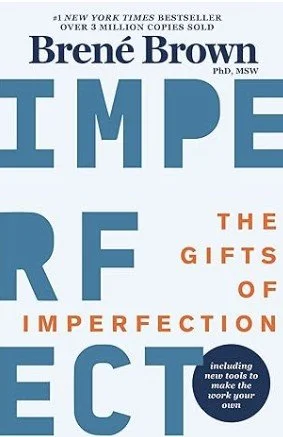
Beneath its accessible approach to wholehearted living lies a deeper invitation: to stop measuring our worth by achievement, approval, or perfection, and instead begin to trust that who we are is enough.
Brown explores vulnerability, courage, compassion, authenticity and self-worth, challenging the idea that we need to become better versions of ourselves before we can fully accept ourselves.
For me, this is where the book connects beautifully with the theme of trusting yourself, because perhaps self-trust doesn't begin with having all the answers.
Summary
At the heart of The Gifts of Imperfection is the idea of wholehearted living — embracing life with a sense of worthiness, authenticity and connection rather than constantly striving to prove that we are enough.
Brown explores the ways perfectionism, comparison, and the fear of what other people think can quietly shape our choices.
We can become very good at doing what is expected of us.
Good at being successful.
Good at being helpful.
Good at holding everything together.
And yet somewhere along the way, we can lose touch with the question:
What do I actually want?
Brown encourages the reader to move away from the exhausting pursuit of perfection and towards a more compassionate relationship with themselves.
The book is organised around ten guideposts for wholehearted living, including authenticity, self-compassion, resilience, gratitude, creativity, play, rest and meaningful work.
Rather than presenting imperfection as something that needs to be fixed, Brown invites us to see it differently: our imperfections are not evidence that we are failing; they are part of being human and learning to embrace them can create the freedom to live more honestly.
The Structure
The book is built around ten guideposts, each exploring an aspect of wholehearted living. Brown moves through themes including cultivating authenticity, letting go of what other people think, developing resilience, practising gratitude and embracing creativity.
She also challenges our relationship with productivity, rest and the idea that our worth comes from what we achieve.
What I particularly appreciate is that these aren't presented as ten things we simply need to add to our already busy lives; they invite reflection.
They ask us to notice where we may have been living according to expectations rather than values, where we have been striving rather than being and where we may have mistaken perfectionism for self-improvement.
What Resonated
What resonated most strongly with me was the connection between self-worth and self-trust.
It is difficult to trust yourself when you are constantly looking outside yourself for confirmation that you are doing life correctly.
The right decision.
The right career.
The right relationship.
The right version of yourself.
Over time, that external referencing can become so habitual that we stop hearing our own voice. Brown's work reminded me that authenticity isn't about becoming someone completely new.
It is about becoming more honest about who you already are, and that requires courage.
Perfectionism can look like ambition from the outside. It can look like high standards, organisation and achievement, but underneath it can sometimes be fear.
Favourite Quotes
A few ideas from the book stayed with me because they speak so directly to the journey of self-trust.
“Owning our story and loving ourselves through that process is the bravest thing that we will ever do.”
For me, this captures the heart of self-compassion.
We don't build trust with ourselves by pretending everything is fine.
We build it by being honest about our story and meeting ourselves there with kindness.
“Wholehearted living is about engaging in our lives from a place of worthiness.”
This feels particularly relevant to anyone who has spent years believing that worthiness comes after achievement.
Perhaps we don't have to become more successful, more productive or more perfect before we are allowed to feel worthy.
Perhaps we can begin there.
"Practising self-love means learning how to trust ourselves, to treat ourselves with respect, and to be kind and affectionate toward ourselves."
Self-trust isn't a mindset shift you just decide to have: it's built through the daily practice of treating yourself with the same respect and kindness you'd offer someone you love. When we're kind to ourselves rather than critical, we create the safety our nervous system needs to actually hear its own signals; the gut feelings and instincts that guide good decisions. Self-love and self-trust grow together: the more we practise one, the stronger the other becomes.
Who This Book Is For
I would recommend The Gifts of Imperfection if you:
Are tired of feeling that you are never quite enough
Struggle with perfectionism or people-pleasing
Find yourself comparing your life to other people's
Want to develop greater self-compassion
Are questioning whether the life you're living actually reflects your values
Want to become more comfortable with vulnerability and authenticity
Are beginning to reconnect with yourself after years of putting other people first
Want to explore what it means to live more wholeheartedly
It is particularly relevant, I think, for anyone standing at a point in life where the old definition of success no longer feels quite right.
Conclusion: Why I Recommend This Book and Key Takeaways
I recommend The Gifts of Imperfection because it offers something that I think many of us need far more of: permission to stop trying so hard to become someone else.
Brené Brown doesn't suggest that we abandon growth; in fact, quite the opposite.
The invitation is to grow from a place of self-acceptance rather than self-rejection. It’s about becoming willing to listen inwardly and believe that your own experience, values and intuition are worthy of consideration.
The key takeaways for me are:
Perfectionism can disconnect us from ourselves.
Self-worth isn't something we earn through achievement.
Authenticity requires the courage to let go of who we think we should be.
Self-compassion is not self-indulgence; it creates space for honest growth.
Trusting yourself becomes easier when your choices are aligned with your values.
Wholehearted living isn't about getting life right — it is about showing up for the life you actually have.
Some readers may find Brown's conversational style and repetition less compelling than a more traditional academic approach. Others may already be familiar with many of these ideas through her wider body of work, but whichever it is - I highly recommend this book.
[Explore The Gifts of Imperfection by Brené Brown on Amazon – UK-only affiliate link]
"Practising self-love means learning how to trust ourselves, to treat ourselves with respect, and to be kind and affectionate toward ourselves."
Self-trust isn't a mindset shift you just decide to have — it's built through the daily practice of treating yourself with the same respect and kindness you'd offer someone you love. When we're kind to ourselves rather than critical, we create the safety our nervous system needs to actually hear its own signals — the gut feelings and instincts that guide good decisions. Self-love and self-trust grow together: the more we practise one, the stronger the other becomes.
Who This Book Is For
I would recommend The Gifts of Imperfection if you:
Are tired of feeling that you are never quite enough
Struggle with perfectionism or people-pleasing
Find yourself comparing your life to other people's
Want to develop greater self-compassion
Are questioning whether the life you're living actually reflects your values
Want to become more comfortable with vulnerability and authenticity
Are beginning to reconnect with yourself after years of putting other people first
Want to explore what it means to live more wholeheartedly
It is particularly relevant, I think, for anyone standing at a point in life where the old definition of success no longer feels quite right.
Conclusion: Why I Recommend This Book and Key Takeaways
I recommend The Gifts of Imperfection because it offers something that I think many of us need far more of: permission to stop trying so hard to become someone else.
Brené Brown doesn't suggest that we abandon growth.
Quite the opposite.
The invitation is to grow from a place of self-acceptance rather than self-rejection.
It’s about becoming willing to listen inwardly and believe that your own experience, values and intuition are worthy of consideration.
The key takeaways for me are:
Perfectionism can disconnect us from ourselves.
Self-worth isn't something we earn through achievement.
Authenticity requires the courage to let go of who we think we should be.
Self-compassion is not self-indulgence; it creates space for honest growth.
Trusting yourself becomes easier when your choices are aligned with your values.
Wholehearted living isn't about getting life right — it is about showing up for the life you actually have.
Some readers may find Brown's conversational style and repetition less compelling than a more traditional academic approach. Others may already be familiar with many of these ideas through her wider body of work.
Summary
At the heart of The Gifts of Imperfection is the idea of wholehearted living — embracing life with a sense of worthiness, authenticity and connection rather than constantly striving to prove that we are enough.
Brown explores the ways perfectionism, comparison, and the fear of what other people think can quietly shape our choices.
We can become very good at doing what is expected of us.
Good at being successful.
Good at being helpful.
Good at holding everything together.
And yet somewhere along the way, we can lose touch with the question:
What do I actually want?
Brown encourages the reader to move away from the exhausting pursuit of perfection and towards a more compassionate relationship with themselves.
The book is organised around ten guideposts for wholehearted living, including authenticity, self-compassion, resilience, gratitude, creativity, play, rest and meaningful work.
Rather than presenting imperfection as something that needs to be fixed, Brown invites us to see it differently: our imperfections are not evidence that we are failing; they are part of being human and learning to embrace them can create the freedom to live more honestly.
The Structure
The book is built around ten guideposts, each exploring an aspect of wholehearted living. Brown moves through themes including cultivating authenticity, letting go of what other people think, developing resilience, practising gratitude and embracing creativity.
She also challenges our relationship with productivity, rest and the idea that our worth comes from what we achieve.
What I particularly appreciate is that these aren't presented as ten things we simply need to add to our already busy lives; they invite reflection.
They ask us to notice where we may have been living according to expectations rather than values, where we have been striving rather than being and where we may have mistaken perfectionism for self-improvement.
What Resonated
What resonated most strongly with me was the connection between self-worth and self-trust.
It is difficult to trust yourself when you are constantly looking outside yourself for confirmation that you are doing life correctly.
The right decision.
The right career.
The right relationship.
The right version of yourself.
Over time, that external referencing can become so habitual that we stop hearing our own voice. Brown's work reminded me that authenticity isn't about becoming someone completely new.
It is about becoming more honest about who you already are, and that requires courage.
Perfectionism can look like ambition from the outside. It can look like high standards, organisation and achievement, but underneath it can sometimes be fear.
Favourite Quotes
A few ideas from the book stayed with me because they speak so directly to the journey of self-trust.
“Owning our story and loving ourselves through that process is the bravest thing that we will ever do.”
For me, this captures the heart of self-compassion.
We don't build trust with ourselves by pretending everything is fine.
We build it by being honest about our story and meeting ourselves there with kindness.
“Wholehearted living is about engaging in our lives from a place of worthiness.”
This feels particularly relevant to anyone who has spent years believing that worthiness comes after achievement.
Perhaps we don't have to become more successful, more productive or more perfect before we are allowed to feel worthy.
Perhaps we can begin there.